 One of my takeaways from RootsTech last week was how much one can learn about one’s ancestors by digging deep into the records. I learned techniques for how to use historical maps, military records and tax records to learn more about my ancestors. I can’t wait to dig in.
And that got me thinking: Do I want to learn more about my ancestors or learn about more ancestors? It’s a bit of a quandary. I find myself really excited every time I break into another generation on my tree. I’m anxious to try to verify my initial findings (using unverified sources), for example, that I descend from the Mayflower. I can’t do that if I’m still working in the 19th century.
But I realize that I want to know more about my ancestors than their dates of birth, marriage and death. I’d like to know how they lived, why they migrated, what their military experiences were like, among other things. And that’s going to require locating multiple sources about each ancestor and resisting the temptation to just climb the family tree.
I’m a big fan of spreadsheets and checklists, so I think I’m going to create a checklist of categories of sources to try to find on each ancestor before moving to another. This will also help me when I come back to an ancestor.
I can’t wait to see what I learn!
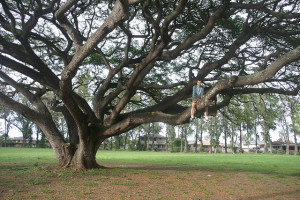
Photo by Juanjo+Willow via Flickr. Used under Creative Commons License.
 I leave really early tomorrow morning to fly to Salt Lake City for
 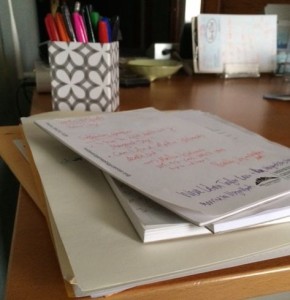 For the past few months, I’ve had this one pile on the corner of my desk that contains primarily genealogy items. When I’m hurriedly putting away the stuff cluttering my desktop, I just keep straightening that pile and leaving it there. It’s almost become a feature of the landscape of my desk. Somehow I’ve adjusted my thinking so that I have been considering my desktop clear even with that pile sitting there.
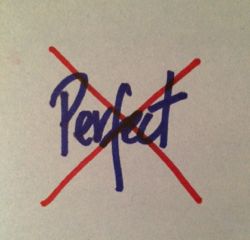 When you think about getting organized there’s a natural tendency to want to found the very best possible organizing system, whether it’s for your genealogy or any other aspect of your life. Trouble is, as I’ve seen many times in my work as a professional organizer, that tendency toward perfection generally paralyzes people.