• BLOG
  • ABOUT
    • Privacy Policy

Organize Your Family History

Stay focused and happy while exploring your roots

Search Results for: 30 x 30 challenge

How They Do It: Donna Cox Baker, The Golden Egg Genealogist

February 13, 2018 By Janine Adams 6 Comments

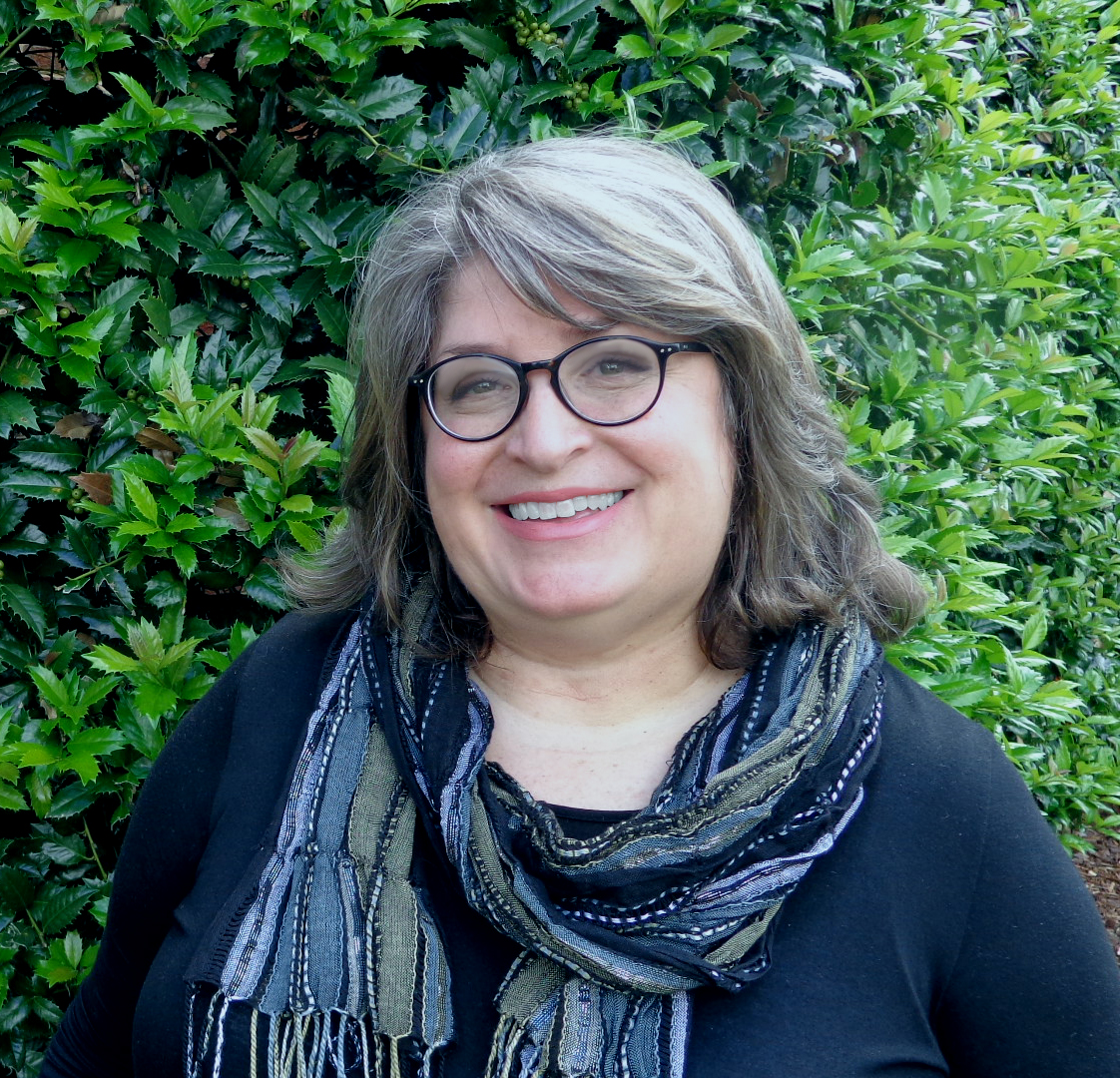
The next interviewee for my How They Do It series is Donna Cox Baker, the blogger behind The Golden Egg Genealogist and the co-founder of the Beyond Kin Project. Donna has a PhD in history and is editor-in-chief of Alabama Heritage magazine. Her first book, Views of the Future State: Afterlife Beliefs in the Deep South, was published in January 2018. One of my readers suggested I invited Donna to participate in this series and I’m so glad! I found myself nodding in agreement as I read her insightful responses. Enjoy.
How They Do It: Donna Cox Baker shares how she organizes her genealogyHow They Do It: Donna Cox Baker

How long have you been doing genealogy?

I first got hooked on family history around 1986 at the public library in Fort Wayne, Indiana, where I lived briefly. Far away from family for the first time in my life, a local advertisement for “family history” caught my eye, and I was captivated. Since then, I have gone through long periods when I had no time for it, especially when I was pursuing graduate education while working full-time. As soon as I put the last touches on my PhD dissertation, though, I pulled out the old dusty genealogy box, and it was back to my first love.

What’s your favorite thing about being a genealogist?


At the risk of sounding corny, it is a spiritual thing for me. Oh, I love the thrill of the hunt, like everybody else. I love filling in the blanks that time has left. But there is something mystical-magical about reaching back to restore to memory the people without whom I would not be. It is an act of gratitude for those who came before, and an act of service to those yet to come. There is a grounding quality to the act of writing in birth dates and death dates again and again, person after person. You become truly conscious of the brevity of each life and want to make every day count.

What’s your biggest challenge when it comes to organizing your genealogy?

In the highest stress years of my career, I finally realized that I was psychologically allergic to paper. Piles and piles of sheets to remind me perpetually that the work was never done. That things had been forgotten. That I would never find what I needed. After a tornado wiped out 7,000 structures in my town and all the hoarded materials in them in 2011, I determined never to depend on paper again. Had the storm shifted two blocks north, every piece of paper my team had collected over 25 years would have been gone in three seconds. I make every effort to be paperless—for my sanity and the security of my research. The challenge, then, is in doing that in a smart way.

What is your favorite technology tool for genealogy?

My favorite tool is the one that got me through a PhD dissertation without giving up: Zotero. This free tool, developed by George Mason University, allows me to have everything I would have stored in paper files with me, wherever there is WiFi. I love it more than the unstructured tools like Evernote and OneNote, because it blends structure with free-form capabilities. It allows me to find a source online and click once to put all of the bibliographic information into its database. It can extract every comment and highlight I make in a PDF. It’s amazing and is the subject of my next book. I’ve written a number of blog posts about it on The Golden Egg Genealogist.

If you were starting out new as a genealogist what would you do differently?

I would get formal training. I was arrogant enough to think I didn’t need it for the first couple of decades. But then I went to the Institute for Genealogy and Historical Research. I took the beginner’s class, just in case I had missed things along the way. And BOY had I missed things along the way. I had been making mistakes that rendered whole branches of my family tree questionable. This summer will be my fourth trip to IGHR.

Do you keep a research log? If so, what format?


Zotero replaces that for me. It gives me everything the traditional logs give, but in a much more efficient format. If I was doing genealogy for others, I might need a log to keep up with time spent, but I don’t have that need. With Zotero, I know what sources I consulted, where I found them, and what I extracted. It keeps up with the date I first added the source record and the last time I modified it—the only two dates I really care about. And unlike the traditional research logs, I only have to add the source and repository information once—no matter how many times I might return to that source and gather new information. In my notes, I make a habit of including a statement about what I was looking for at any given time—say, “All Mayberrys,” or “Ransom Payne.”

How do you keep track of clues or ideas for further research?


Again, Zotero is my hero. I have a master To Do folder, in which I add subfolders for places I might need to visit to do future research. As I encounter a library catalog record or some other notice of a source I want to see at that repository, I create the Zotero source record and drag it into the folder for the repository. That way, I’m collecting a to-do list for a repository and have it waiting when I have the time to make that trip. In fact, if I happen to find myself at a repository unexpectedly—say a meeting ends early at the state archives, and I have an hour—I can find a computer there, look up my to-do list in Zotero’s cloud, and get to work. I am also able to drag and drop the same source record into folders for the person or family I’m researching. So the record exists only once, but I can find it in multiple places.

How do you go about sharing your personal research with cousins or other interested parties?


I give them access to my Ancestry tree, which is syncing with Family Tree Maker. Because I still have some of that old questionable research that I mentioned in my largest tree, I keep that one private. I caution the curious cousin up front that they need to check everything behind me. My research is a clue, not the gospel. I have a couple of public trees that represent more recent (post-IGHR) work. I’ve had little time to work on the general family tree there. I am spending most of my time on a tree that is a slaveholding branch of my family that serves as a prototype for the Beyond Kin Project, which represents our method of documenting enslaved populations.

What’s the most important thing you do to prepare for a research trip?

I go through any available catalogs or lists of what the local repositories have, and then determine what specific research questions I need to try to answer. I also try to determine which of the local records might be available online through FamilySearch or Ancestry or are in a library in my vicinity. I want to spend my time on the sources I will not find any other way. I make sure I have my smart phone and laptop and the ability to keep both charged. My phone becomes my scanner, and I am often keying things directly into Zotero, as I work on-site.

What’s your biggest piece of advice to genealogists in terms of organizing their research?

Get rid of the paper. You cannot carry it with you on your research trip with any ease. If a piece of paper mentions twenty different people, will you make twenty copies of the page to file in twenty folders? And here’s another really important reason to break the paper habit. Your descendants will not want your file cabinets and boxes. If you depend on paper, your research may stop with you. Don’t let that happen. Now for those who have twenty years of paper piled up and wonder how they could possibly go paperless now, I say start today with a paperless ethic. Make everything you work on from now on paperless, and slowly work backward through the paper mountains in your home, scanning them as you are able.

Do you have a dedicated space in your home for doing genealogy research? What’s it like?


The beauty of paperless genealogy is that I can do 99% of my work at home on a laptop. Everything I’ve gathered has been scanned and can be accessed there (being backed up faithfully to the cloud at all times). I have a great little office in my house, but it feels too much like my day job. I usually work in an armchair with headphones on, so I can enjoy the company of my husband and cat-children. When I retire someday, maybe I’ll be willing to sit at a desk again. But more likely I’ll want to be on a lounge chair on the deck.

 Now all of this is possible because I’m not a person who wants to be the keeper of my family’s precious documents and photographs. If you are that person, you have to be able to preserve things in acid-free boxes, fire-proof safes. And I salute that person, but it will not be me.

I hadn’t heard of Zotero before hearing about it from Donna and now I’m excited to check it out. Her enthusiasm for it is contagious! I’m also intrigued by the Beyond Kin Project and can’t wait to learn more. And, finally, I agree completely with Donna about paper. (I love her phrase “psychologically allergic to paper.”) Eliminating paper creates such freedom and her advice to start with from this point forward with going paperless then chip away at the backlog is spot on. Thank you, Donna, for taking the time to answer these questions!

Filed Under: Challenges, Excitement, Genealogy tips, Organizing Tagged With: Beyond Kin, Donna Cox Baker, Golden Egg Genealogist, How They Do It, organizing aids, Zotero

How They Do It: Lisa Louise Cooke

January 10, 2018 By Janine Adams 3 Comments

The latest addition to my How They Do It series of Q&As is with Lisa Louise Cooke, CEO of Genealogy Gems. Lisa is a prolific podcaster (she hosts both the Genealogy Gems podcast and the Family Tree Magazine podcast), author (her books include The Genealogist’s Google Toolbox and Mobile Genealogy), as well as a blogger and speaker. Lisa has an immense amount of genealogy knowledge and when she interviewed me recently for the Family Tree Magazine podcast, I asked her to do a How They Do It interview. I was thrilled when she agreed!

Since it’s a new year, I’ve changed up the questions just a little. Enjoy reading Lisa’s terrific answers!

How They Do It: Lisa Louise Cooke

How They Do It: Lisa Louise Cooke

How long have you been doing genealogy?

I got bit by the genealogy bug when I was 8 years old. I was the only kid in my class spending her allowance on death certificates!

What’s your favorite thing about being a genealogist?

It’s quite a challenge to pick just one favorite aspect of genealogy. But I think it would have to be working the puzzle and piecing together the past. I thrive on the challenge, and particularly enjoy using technology in creative ways to accomplish my goals. A close second is pulling my ancestors back from obscurity. When you consider it only take a generation or two for someone to completely be forgotten, it’s incredibly rewarding to ensure that doesn’t happen.

What’s your biggest challenge when it comes to organizing your genealogy?

It’s changed a lot in the last few years. It used to be paper posed the biggest challenge. But these days it’s definitely photo storage. Not only are we digitizing more of our past photos, we are taking photos of today’s memories at a break-neck rate. Those images are the family history of the future. And while technology offers answers, it’s constantly evolving. So, the method we thought was a good solution just a few years ago may already look outdated. I think most folks never dreamed ten years ago that they would have the mountain of digital images they have today.

What is your favorite technology tool for genealogy?

Land sakes, that’s a hard one for me! Honestly, my favorite tool is the one that is solving today’s challenge. But generally speaking, it’s still Google. And as I say in my book The Genealogist’s Google Toolbox, it’s really a toolbox of tools rather than just one tool, though they do come from one source, Google. On a daily basis, it’s Google search; nearly every day it’s Google Books; and Google Earth follows closely behind. Their power is only limited by your imagination.

These days many folks think “oh, I know how to Google!” But I find in most cases they are just scratching the surface. Like all tech, Google is constantly evolving. So, to really maximize it, you have to stay current and not rely just on what you did even a year ago.

If you were starting out new as a genealogist what would you do differently?

I’m fortunate, in that at a very young age I interviewed my oldest relatives. I also cited my sources. I find that those are the most common regrets genealogists have. For me, if I had the opportunity to do something differently, it would be to have taken more photos with my grandmother, and to have audio recorded the interviews.

How do you keep track of clues or ideas for further research?

I use Evernote to track items I find along the way that I want to set aside (so I don’t get off track) and return to later. But it’s not just how you track them. Success really comes from scheduling dedicated time to return to them. If you know in your heart of hearts you’re never going to do that, you’ll be tempted to jump down the rabbit hole right then and there. But if you regularly schedule “BSO Time” as I call it (Bright Shiny Objects) on your calendar and stick to it, you will trust yourself, and resist the temptations along the way. When it comes to BSOs found in books, I track those in Google Books’ “My Library” feature.

How do you go about sharing your personal research with cousins or other interested parties?

Video. Period. Successfully sharing genealogy is all about telling your ancestor’s stories in a way that speaks to your intended audience: Non-Genealogists! Most people get resistance and eye-rolling to hearing about their genealogy because they want to share the way they like to share, not the way a non-genealogist would be able to appreciate. Plus, video is the perfect tool for sharing online through social media – and that’s where your family is hanging out!

What’s your biggest piece of advice to genealogists in terms of organizing their research?

Do it as you go. And whatever method you choose to use to organize your stuff, do it consistently!

Do you have a dedicated space in your home for doing genealogy research? What’s it like?

Lisa’s office bookshelf

I have a separate office in our home that is devoted to genealogy and all the roles that genealogy plays in my life, personally and professionally with Genealogy Gems. It’s comfy, carpeted (which I need for podcasting), features a bright sunny window, a wall of book shelves and a walk-in closet. Most importantly, it’s decorated with anything and everything that inspires me and makes me happy. I spend too much time in there to not make it a haven.

I love the idea of BSO time: scheduled time where you explore the bright shiny objects you found along the way. What a great way to keep from being distracted. I’m also inspired to use video to share family stories. That’s an excellent idea.

Thank you, Lisa, for sharing your insights!

Filed Under: Challenges, Excitement, Genealogy tips, Organizing Tagged With: How They Do It, Lisa Louise Cooke, organizing aids

How They Do It: Drew Smith

December 5, 2017 By Janine Adams 6 Comments

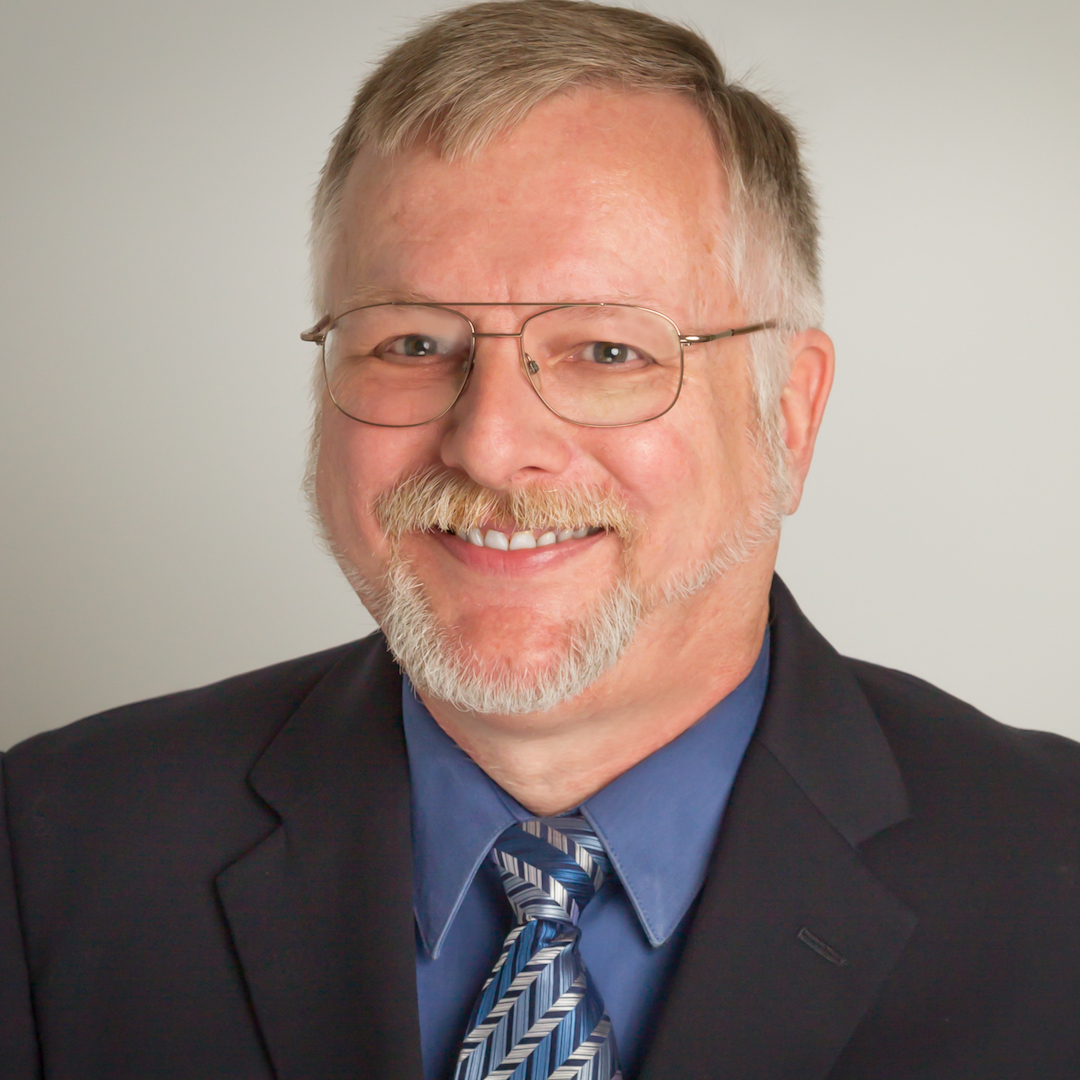
This final How They Do It interview of 2017 is with Drew Smith, genealogist, writer, speaker and podcaster. Drew literally wrote the book about genealogy organizing. He is the author of Organize Your Genealogy: Strategies and Solutions for Every Researcher (Family Tree Books, 2016). You may also know him from the Genealogy Guys podcast, which he presents every other week with cohost George G. Morgan. (Alternate weeks he hosts the Genealogy Connection podcast.) Drew is also a frequent speaker and has a genealogy resume as long as my arm. (You can read his full bio at the Aha! Seminars website.)

I was so pleased he agreed to do this interview. I love how much he and I are on the same page when it comes to organizing family history research!

How They Do It: Drew Smith

How long have you been doing genealogy?

Since 1992

What’s your favorite part of doing genealogy?

Solving puzzles by putting together pieces of evidence.

Do you consider your genealogy research well organized?

I have been more organized recently, but when I started I didn’t know the best way to organize, so I have a lot of papers and files that I still need to go through that I have collected over the years.

What type of software do you use for organizing your genealogy research?

I have RootsMagic to keep track of my genealogical conclusions, Dropbox for my files, and Evernote for my random notes and ideas.

Do you keep a research log? If so, what format?

I have not been regularly maintaining a research log, although I do recommend to everyone that they keep one. I do keep some of that material in Evernote, and I have also begun to use Evidentia to track my research methods.

Do you have a tree on Ancestry? If so, is it public or private? Why?

I have gone back and forth on having a public vs. private tree numerous times, and now I have a public tree that has a major disclaimer on it that asks people not to treat everything in it as well researched. I feel that the benefits of having a public tree outweigh the negatives, as I may be discovered by a distant cousin this way.

What’s your biggest challenge when it comes to organizing your genealogy?

It can be so much fun in discovering something new that it can be easy to forget all of the processes for recording what the information is, where it was found, etc.

What’s your biggest piece of advice to beginning genealogists in terms of keeping track of their research?

Try not to go off in too many different directions at the same time.  Focus on one line at a time, and one person.

What do you think is the most important thing for people to do to stay organized when it comes to family history research?

The most important thing is to have a simple, well thought out system for keeping files in both digital and paper form.

If you were starting out new as a genealogist what would you do differently?

I would make certain to make electronic copies of all papers, as digital files are easier to find than paper files.

Do you keep paper or electronic files (or both)?

I have both, although I feel that paper files are only important if they are one-of-a-kind documents, such as original copies of vital records. Otherwise, everything else can exist as electronic files, and be printed if needed.

Are you folder or binder person for your paper files?

I’m a folder person because I find it easier to move folders back and forth between the file drawer and my desk. And all my bookshelves are taken up by books!

Do you use Evernote, One Note or any other electronic organizing system for your genealogy? If so, how do you use it?

I’m a regular user of Evernote. I use it not only for genealogy but also for work-related projects and for items for home and personal care. I use it for grabbing useful genealogy blog postings, for keeping track of genealogy subscriptions and renewal dates, and for any ideas that might pop into my head on who to research next or what idea to pursue.

Do you have a dedicated space in your home for doing genealogy research? What’s it like?

I have my own home office where I do all my research. A desk for my 27″ iMac and an additional monitor of equal size. A side credenza that has two file drawers and space on top for my current projects. A small whiteboard on the wall where I write the things I want to be focused on. Between the credenza’s two file drawers are a trash can and a brand-new shredder. On the other side of the home office is a bookcase with my most used books, and another desk that houses a wireless printer. And next to my primary computer desk is a former printer stand that has a UPS and cable modem/router below it, and a flat space on top for my office assistant, Oxford the cat, to sleep while I work.

Do you have anything to add?

Genealogists should start to organize their research by starting simple and starting small, and building up from there. Otherwise, it’s too easy to become overwhelmed.

I love that Drew makes space for his cat, Oxford, in his workspace. It probably pleases me too much that even Drew Smith has trouble using a research log consistently. Thanks, Drew, for sharing your answers this month!

This has been a fun year of questions and answers in the How They Do It series. I plan to create a post this month about the themes that have emerged. Watch for new interviews in 2018!

Filed Under: Challenges, Excitement, Genealogy tips, Organizing Tagged With: Drew Smith, How They Do It, organizing aids

Creating history for our descendants

November 22, 2017 By Janine Adams Leave a Comment

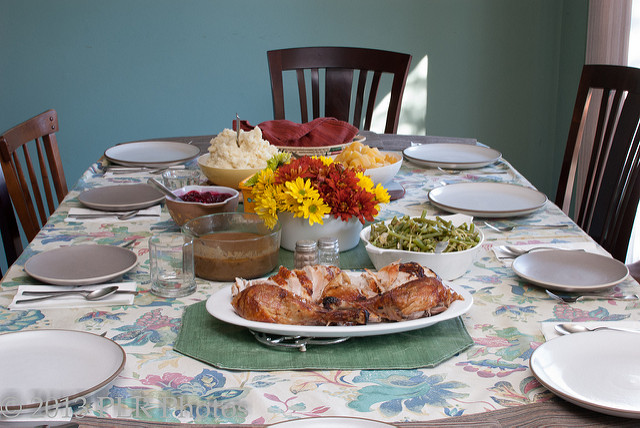
I wrote this Thanksgiving post last year and still really appreciate its message. I’m reposting it today in honor of Thanksgiving. (Perhaps I’ll make it an annual tradition!) Happy Thanksgiving to all my U.S. readers.

This Thanksgiving week, I’ve been thinking about how the ordinary lives of my ancestors are endlessly fascinating to me. As I slowly plow through my great great grandfather’s Civil War pension file, I get very excited when I come to a form he filled out 125 years ago that has a little extra information in it (like the names and birth dates of his children). Any peek into what his life was like is a special treat.

It got me thinking about how mundane aspects of our lives today might be really interesting 100 years from now to the people below us on the family tree.

Of course, we fill out fewer paper forms now. And genealogy will probably look very different in the twenty-second century. But I think photos and records will always be valuable.

This year, as we celebrate Thanksgiving (or really just go about our lives), we have the opportunity to create history for our descendants. We can be mindful of our legacy as we’re taking pictures. We can take care to label them (or add metadata to digital photos) so future generations know who the people in the photos are. We can do oral history interviews and carefully preserve them with labels for future generations.

If you have older relatives around your Thanksgiving table, I urge you to ask questions and preserve those conversations for generations to come (as well as for your own genealogy research). I sure wish I had. Wouldn’t it be great to put your hands on a recorded interview with one of your ancestors? You could be the person making that possible for your descendants.

Thanks to smartphone technology, it’s so easy for us to record conversations and take videos. Let’s do that while we can and mindfully tag and back up those recordings. (And hope that the medium will still be readable decades from now.)

As much as I urge my organizing clients to part with paper or other items that don’t serve any purpose any longer, I do sometimes encourage them to hang on to documents or photographs that might be of interest to their descendants. I encourage you to be mindful of that and store those items that so that they might be passed on to family-history-minded descendants when you pass.

Remember: Every day we have the opportunity to create history.

Photo by Robert and Pat Rogers via Flickr. Used under Creative Commons License.

Filed Under: Challenges, Preservation, Reflections Tagged With: family photos, keepsakes, planning, social history

  • « Go to Previous Page
  • Page 1
  • Interim pages omitted …
  • Page 49
  • Page 50
  • Page 51
  • Page 52
  • Page 53
  • Interim pages omitted …
  • Page 59
  • Go to Next Page »

about me

I'm Janine Adams, a professional organizer and a genealogy enthusiast. I love doing family history research, but I find it's very easy for me to get overwhelmed and not know where to turn next. So I'm working hard to stay organized and feel in control as I grow my family tree.

In this blog, I share my discoveries and explorations, along with my organizing challenges (and solutions). I hope by sharing what I learn along the way I'll be able to help you stay focused and have fun while you do your research, too.

tags

30 x 30 Adams amy johnson crow anniversary Brown cemetery census Civil War conferences connections dna electronic files Evernote excitement Family Curator family photos genealogy tools getting started goals How They Do It Igleheart Jeffries keepsakes learning opportunities maps newspapers NGS organizing aids overwhelm paper files planning quick tips rasco record keeping research research log research trip resources RootsTech social history source documentation Stacy Julian technology time management vital records

join the facebook community!

join the facebook community!

My organizing business

Learn more about my organizing business, Peace of Mind Organizing®.

Subscribe by RSS

  • RSS - Posts
  • RSS - Comments

© 2026 Janine Adams


Loading Comments...