• BLOG
  • ABOUT
    • Privacy Policy

Organize Your Family History

Stay focused and happy while exploring your roots

How They Do It: Gena Philibert-Ortega

December 7, 2021 By Janine Adams 4 Comments

Here’s my latest How They Do It interview, this one with author, researcher and instructor Gena Philibert-Ortega, whose focus is genealogy, social and women’s history. She holds a Master’s degree in Interdisciplinary Studies (Psychology and Women’s Studies) and a Master’s degree in Religion. Her published works include two books, numerous articles published in magazines and online, as well as five editions of the Tracing Your Ancestors series from Morsehead Publishing. Gena has presented to diverse groups worldwide including the Legacy Family Tree Webinar series. Her current research includes women’s repatriation and citizenship in the 20th century, foodways and community in fundraising cookbooks, and women’s material culture. I love her focus on women, as well as the confluence of genealogy and food in Gena’s work. Enjoy!
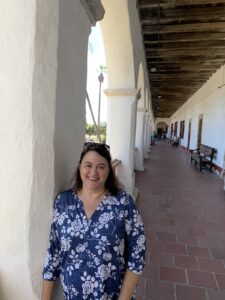
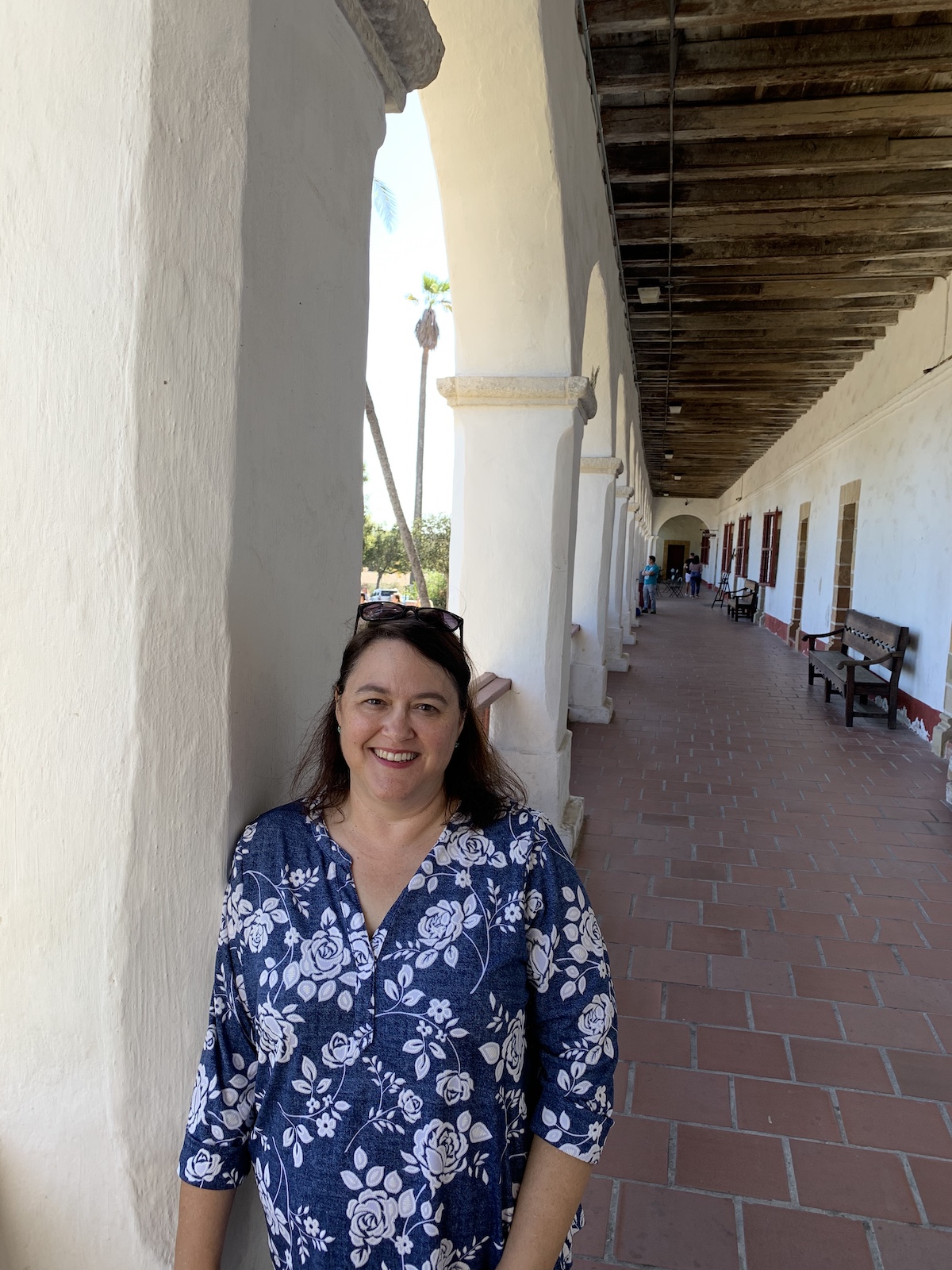
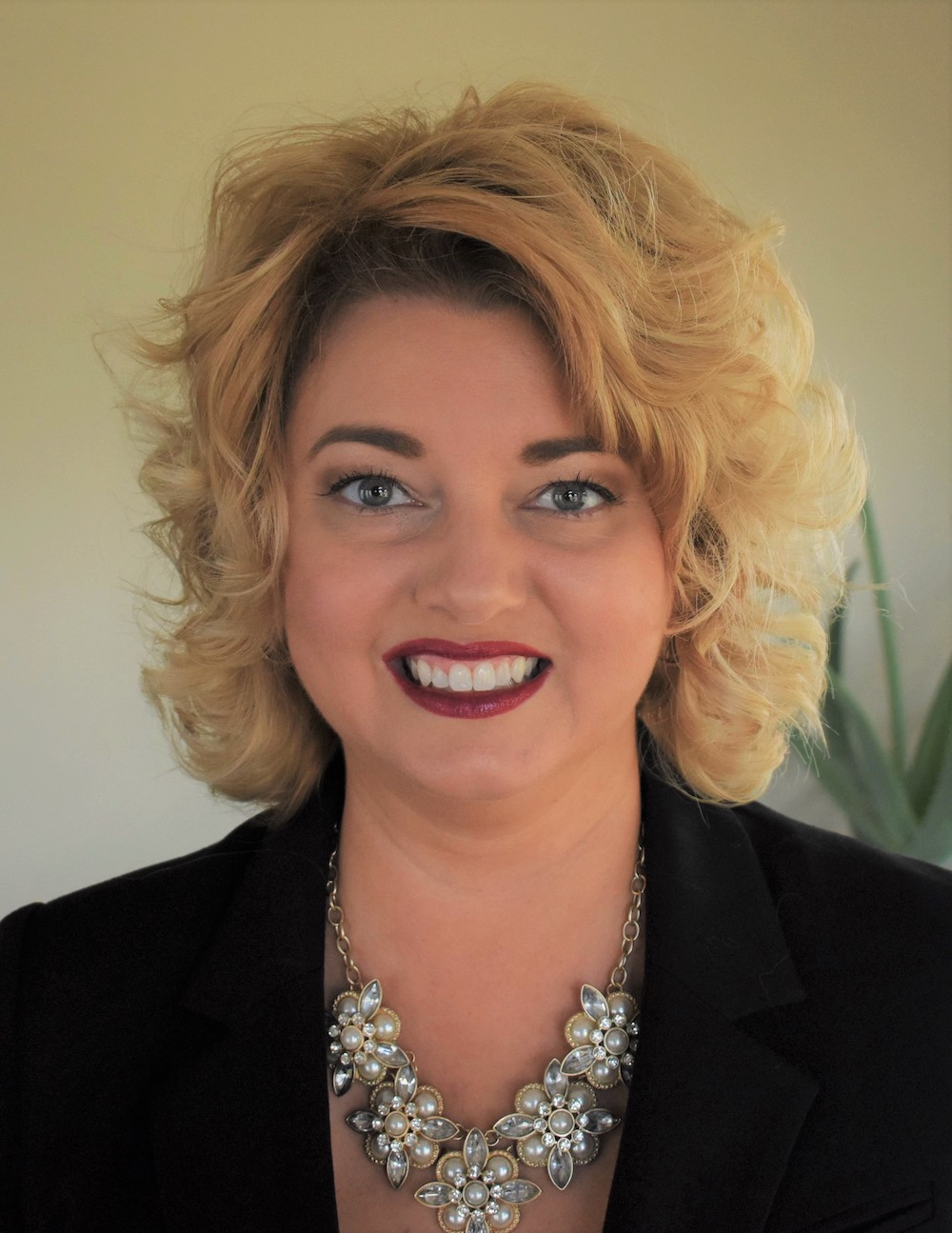
Photo of Gena Philibert-OrtegaHow They Do It: Gena Philibert-Ortega

How long have you been doing genealogy?

Professionally for a little over 20 years. But I’ve been in love with family history since I was a child. My maternal grandmother was family historian and she told me stories of our family and it intrigued me. I’ve always loved mysteries.

What’s your favorite thing about being a genealogist?

Research. I love research. My favorite place to be is a library, archive, or museums. I like asking questions and finding the answers in records.

What’s your biggest challenge when it comes to organizing your genealogy?

Since I have been doing genealogy since pre-Internet days I have a lot of paper and then I have all the computer files. Plus, I have the genealogy paper collections of several relatives that I have inherited. So organizing all that is a challenge.

What is your favorite technology tool for genealogy?

My iPhone. It’s the one must-have tool I use whenever I research. It’s always with me and it can do the work of several stand-along tools (camera, scanner, paper and pencil). I use it to take notes, email, search online catalogs, refer to my online family tree, and take photos of books and documents.

If you were starting out new as a genealogist what would you do differently?

I know most genealogists answer that they wish they would have kept better source citations. I can relate to that but I really wish I would have done a better job writing up narratives and research logs. I entered information into my genealogical program but I didn’t do a great job of noting what I knew, what I didn’t find, and what my next steps needed to be. I find that older research today and really wish I hadn’t assumed I would remember everything. Isn’t that the biggest lie we tell ourselves? I’ll remember!

Do you keep a research log? If so, what format?

YES! It’s vital. I usually keep it as a simple Microsoft Word Table that I customize according to the project. If it’s a larger project involving various people (related or not) I use a spreadsheet.

How do you keep track of clues or ideas for further research?

I try to use the Research Log or I’ll note it in my genealogy software program.

How do you go about sharing your personal research with cousins or other interested parties?

This is something I’ve been concerned about since I realize I won’t always be around. I’ve been working on making sure everything is online, via an online tree. I also email family with images and pedigree charts/Family Group Sheets. In the past I’ve burned CDs with images and information and have compiled small booklets with images, pedigree charts and short narratives and then gave one to everyone. I did this for a relative’s 50th wedding anniversary. I’m a firm believer that the more people who have a copy of something the better. We never know what can happen to us, our homes, or our “stuff.”

What’s the most important thing you do to prepare for a research trip?

Study the online catalog first. I always go through the catalog and make a list of what I want to look at. I prioritize that list so that the items that I can’t live without have a #1 next to it or the day of the week I want to look at it. I always assume that the unexpected will happen such as getting sick, the repository suddenly closing, or the item you want is lost. I try to build in a day that I haven’t planned anything so that I can use it to chase leads I found on the other days or change course and do something I wasn’t planning.

You waste a lot of time and money by not going through the repository’s online catalog first. You never want to go to a library or archive and find out that that must-have record was digitized and available online since last year.

What’s your biggest piece of advice to genealogists in terms of organizing their research?

Organize it so someone else can understand it. One day my oldest son said something to me that I am always thinking about. “How am I going to know what’s important?” No one wants to inherit a pile of “stuff.” People do want to inherit what’s meaningful. My son had a good point. I have other people’s genealogy, items I’ve purchased at antique stores, and copies of documents I’ve made for articles. It’s not all important and it’s not all about our family. I need to not only organize what I have but do it in a way that he can effortlessly see what is vital to keep and why.

Do you have a dedicated space in your home for doing genealogy research? What’s it like?

I do! (Thank goodness). I have my own office (basically a small bedroom in our home) with my desk, bookshelves, and a filing cabinet (remember I have a lot of paper from decades ago). I also have a more comfortable chair for reading.

Do you have anything to add?

Let’s face it. For most of us, organizing isn’t what gets us excited about genealogy. We like the research, the hunt, the discoveries. BUT without the organization we end up with a pile of papers that no one will look at after we are gone. Organizing is crucial and it’s a great idea to turn to those who are good at it (Janine 😊) to get ideas that work for us. Everyone’s different and you need to choose a system that works for you. Otherwise, you won’t stick with it.

So many wonderful nuggets in this interview! Thank you so much, Gena. I really loved the wise words on the value of organizing our research so that others can understand it and value it when we’re gone. To learn more about Gena, check out her blogs, Gena’s Genealogy and Food.Family.Ephemera, and the articles she writes for the GenealogyBank blog.
Filed Under: Excitement, Organizing Tagged With: Gena Philibert-Ortega, How They Do It, organizing aids

How They Do It: Julie Miller

May 14, 2021 By Janine Adams 2 Comments

I am so excited to bring you another interview in my How They Do It Series. Julie Miller is a Certified Genealogist and a Certified Genealogical Speaker and a fellow of the National Geneaological Society. Julie is a full-time professional researcher, speaker, and writer who lives in Colorado. Those of us who enjoy attending NGS Family History Conferences have a lot to thank Julie for. She was the conference chair of the 2010 and 2012 NGS Family History Conferences, was Chair of the NGS Conference Committee from 2012–2018, and is currently a member of the committee. I was so happy when she agreed to do a How They Do It interview!

How They Do It: Julie Miller

How long have you been doing genealogy?

Forty-five years. I was in college and was inspired by the book Roots by Alex Haley.

What’s your favorite thing about being a genealogist?

It makes me feel connected to family I never knew personally. 
Also, I love that there’s always something new to learn.

What’s your biggest challenge when it comes to organizing your genealogy?

Slowing down and taking my time. Things get missed when I don’t.
 For example, it’s a challenge to make myself process a document before going on to the next document. I want to keep researching and find all that I can. When I do that, I not only wind up with a mess that takes a lot of time to sort out but I also overlook information that makes it necessary to redo the research. This happens when I’m working on the computer at home and it’s especially hard when I’m researching in a library or repository.

What is your favorite technology tool for genealogy?


Evernote. I’ve always been a pretty organized person so I look for things that will improve my organizing methods, but only if it will save time allowing me more time for research. 
I’ve been using Evernote for ten years now and it has changed how I research, create a lecture, write an article, etc. Evernote for me is a temporary place for information, I don’t store all of my genealogy there. I use it as I used to use notebooks, except Evernote stores everything in one place and I take it with me everywhere.

If you were starting out new as a genealogist what would you do differently?


So many things but to name just a few:

  • I would cite all my sources. Not just those I was sure about but those sources or clues that I used to get to where I wanted to go.
  • I would take one question at a time and try to find the answer. I tried to do too much all at once and the result was a lot of partially finished research.
  • 
I would take a beginning genealogy class instead of teaching myself.
  • 
I would join a genealogy society to learn from others and to connect to others with an interest in genealogy. Genealogy can be a lonely and isolating interest even before the internet but it can be more so now.

Do you keep a research log? If so, what format?


Yes. I have a combination research log and plan that is in Evernote. I have the template that I copy when starting a new project.

How do you keep track of clues or ideas for further research?

I have a future research and notes columns in my research plan. 
I also use Evernote to save ideas.

How do you go about sharing your personal research with cousins or other interested parties?


Private web site that is just for family. I have a skeleton tree on some DNA websites. Other inquiries are handled on an individual basis.

What’s the most important thing you do to prepare for a research trip?

Hands down, a research plan(s). I always take more plans than what I think I can get done. There are times when the information just isn’t there or a problem is solved faster than expected. If you don’t have more to do, precious time is wasted.

What’s your biggest piece of advice to genealogists in terms of organizing their research?


Be consistent. No matter how you choose to organize (and it will be different for each person), write down how you want to organize and consistently stick to your choices. I recommend creating a personal style guide to record the choices selected.

Also, it is so important to research and evaluate different organizing methods before starting. Then you can decide on what’s right for you. Don’t listen to what other people think are the best methods. Their situation and thinking process are not exactly the same as yours and so what’s the best system for them will not necessarily be the best for you.

Do you have a dedicated space in your home for doing genealogy research? What’s it like?

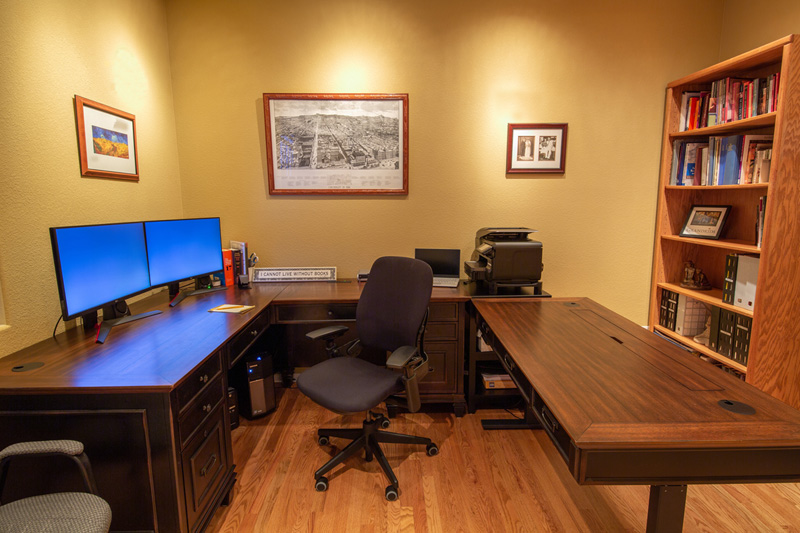
Yes, it is my office. I have an L shaped desk, a standing desk that is height-adjustable, a desktop with dual monitors, printer, scanner, and bookcases.

Do you have anything to add?

If we want our genealogy to stand the test of time and be handed down to the next generation, we have to have it organized. Too much work has been tossed in the trash because descendants don’t have the time or the inclination to organize the research that they have been given.

Amen, sister! So much of what Julie had to say resonated with me; I found myself nodding along as I read her answers. I’ve admired Julie since I heard her speak at the NGS conference in St. Charles, Missouri, back in 2015. Her talk on Civil War Pension Files set me off on a wonderful journey with these records. (She even helped me when I was trying to get my source citation right!) For more information about Julie and her services, check out her website JPM Research. Thank you so much, Julie, for sharing such great advice and for giving us a peek at your spacious, organized research space. (I’m green with envy.)

Filed Under: Excitement, Genealogy tips, Organizing Tagged With: How They Do It, Julie Miller, organizing aids

How They Do It: Amie Bowser Tennant

April 13, 2021 By Janine Adams 7 Comments

I am delighted to present a new interview in my How They Do It Series. I bet a number of you are familiar with Amie Bowser Tennant, The Genealogy Reporter, who brings us genealogy news, education and inspiration. Amie is a research genealogist and national speaker and, in addition to keeping her own blog, she is a blogger for FamilySearch. I’ve enjoyed hearing her speak at conferences and am so happy when she agreed to do this interview. Enjoy!

How They Do It: Amie Bowser Tennant

How long have you been doing genealogy?

I have been doing genealogy for 22 years. It started out as a passion to scrapbook, but when I realized how many pictures my parents had of people they didn’t know, I started investigating the family. That is how I got hooked!

What’s your favorite thing about being a genealogist?

Wow…my favorite thing about genealogy? There are so many! I guess when I find a document that no one else had been able to find.

What’s your biggest challenge when it comes to organizing your genealogy?

My biggest challenge to organizing my genealogy is getting ahead of myself. In other words, working on too many projects at once and not organizing as I go. I have everything I need print out documents, label them with a citation, file them in a folder or binder, and save them on the computer and on the cloud, and I still get excited and forget to print something or cite something from time to time!

What is your favorite technology tool for genealogy?

My favorite tech tool for genealogy is my smartphone with a camera! I don’t have to make Xerox copies anymore and it has made a world of difference to the quality of the images I can get while visiting a research center on site.

If you were starting out new as a genealogist what would you do differently?

If I were starting out as a new genealogist, I wouldn’t necessarily do anything different than what I did. The best thing I did was to take the National Genealogical Society American genealogy at-home course. It set a great foundation.

Do you keep a research log? If so, what format?

Yes, I keep a research log in Microsoft Excel usually. Across the top, I have the research question in bold. Then, each column gets a heading: Item Viewed, Date Viewed, What was looked for, What was found, URL link, Source Citation. I save this on Google Drive so I have it accessible anywhere I am doing research.

How do you keep track of clues or ideas for further research?

Lots of highlighters on document copies and my notebooks and I use colored sticky tabs to mark things in books or notebooks that I need to come back to.

How do you go about sharing your personal research with cousins or other interested parties?

I rarely share my personal research with other genealogy minded people. Not because I don’t want to, but because my family members aren’t interested in getting a traditional report. For this reason, I have done lots of unique things. I made a giant poster with all the descendants of my grandparents; I created a scrapbook of fun stories of just the grandmothers in the family; and I wrote a narrative about one side of our family after having done several interviews of family members. On occasion, I do a special something for the kids that has to do with their ancestor…like an ancestor birthday party or a potted plant of a flower/vegetable one of their ancestors used to grow in their garden.

What’s the most important thing you do to prepare for a research trip?

The most important thing I do before a research trip is make sure my car is in good running condition. I once got a flat tire on a research trip and that was not fun! I also make sure I have a way to charge all my devices (phone, laptop, gps, etc.)

What’s your biggest piece of advice to genealogists in terms of organizing their research?

My biggest piece of advice for genealogists is to remember to not only cite their record sources, but to remember to source their pictures. I always add metadata or text on the front of a digitized photo with a source citation of where it came from.

Do you have a dedicated space in your home for doing genealogy research? What’s it like?

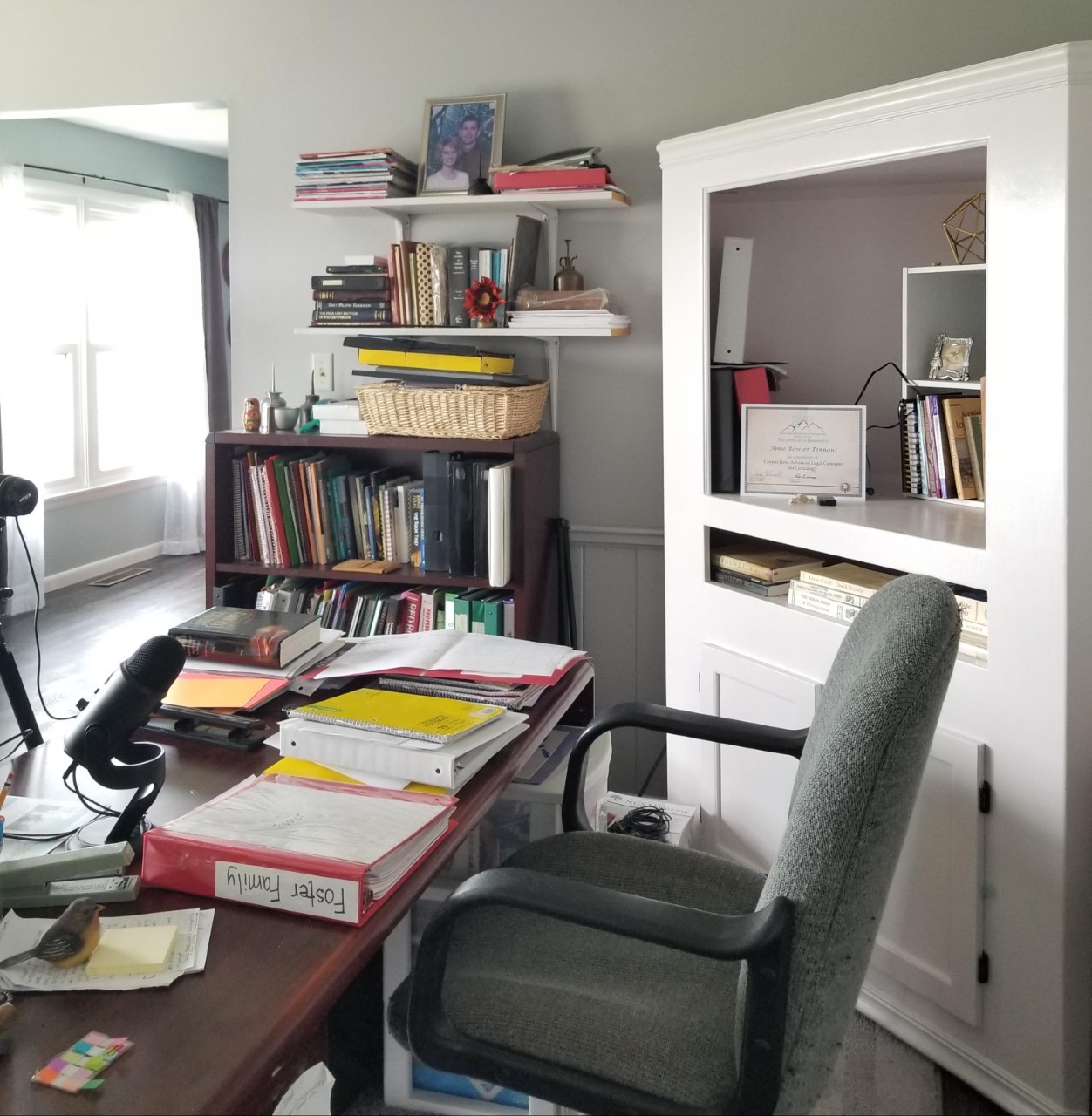
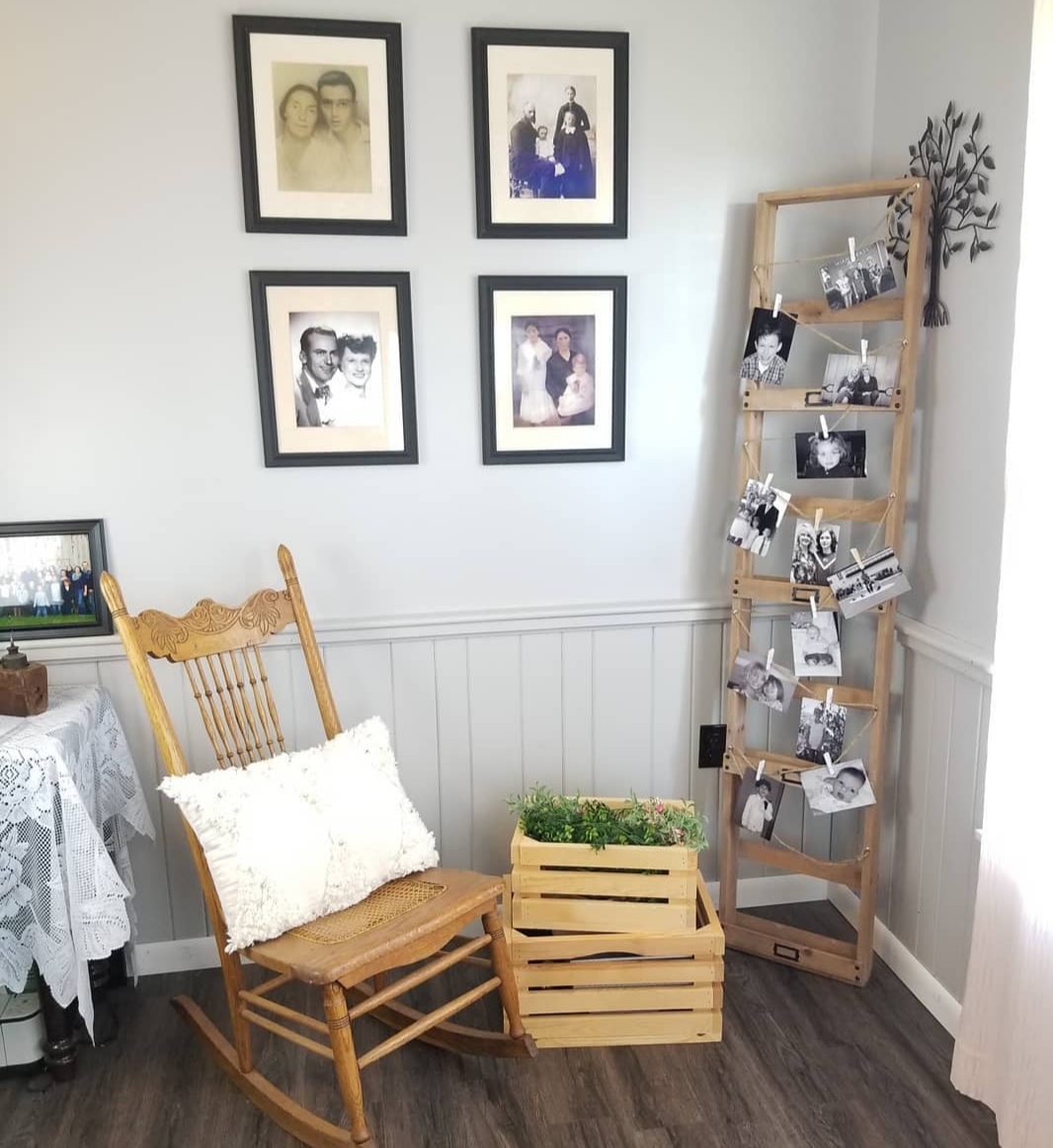
I have a genealogy office that I feel very fortunate to have the room for! I have a nice big desk, shelving, and it is entirely decorated with pictures of family ancestors and my collection of oil cans. It has a big window that I can see out while sitting at the desk so I can enjoy looking over the fields as I work.

Raise your hand if you can relate to getting ahead of yourself and not organizing as you go! It’s nice to know that this also happens to the pros we admire! I love Amie’s ideas for sharing genealogy research. And I think I will now always give my car a check up before leaving for a research trip. Thank you so much, Amie, for sharing how you do it and for sharing the photos of your delightful genealogy space!

Filed Under: Excitement, Genealogy tips, Organizing Tagged With: Amie Bowser Tennant, How They Do It, organizing aids

How They Do It: David Allen Lambert

July 7, 2020 By Janine Adams Leave a Comment

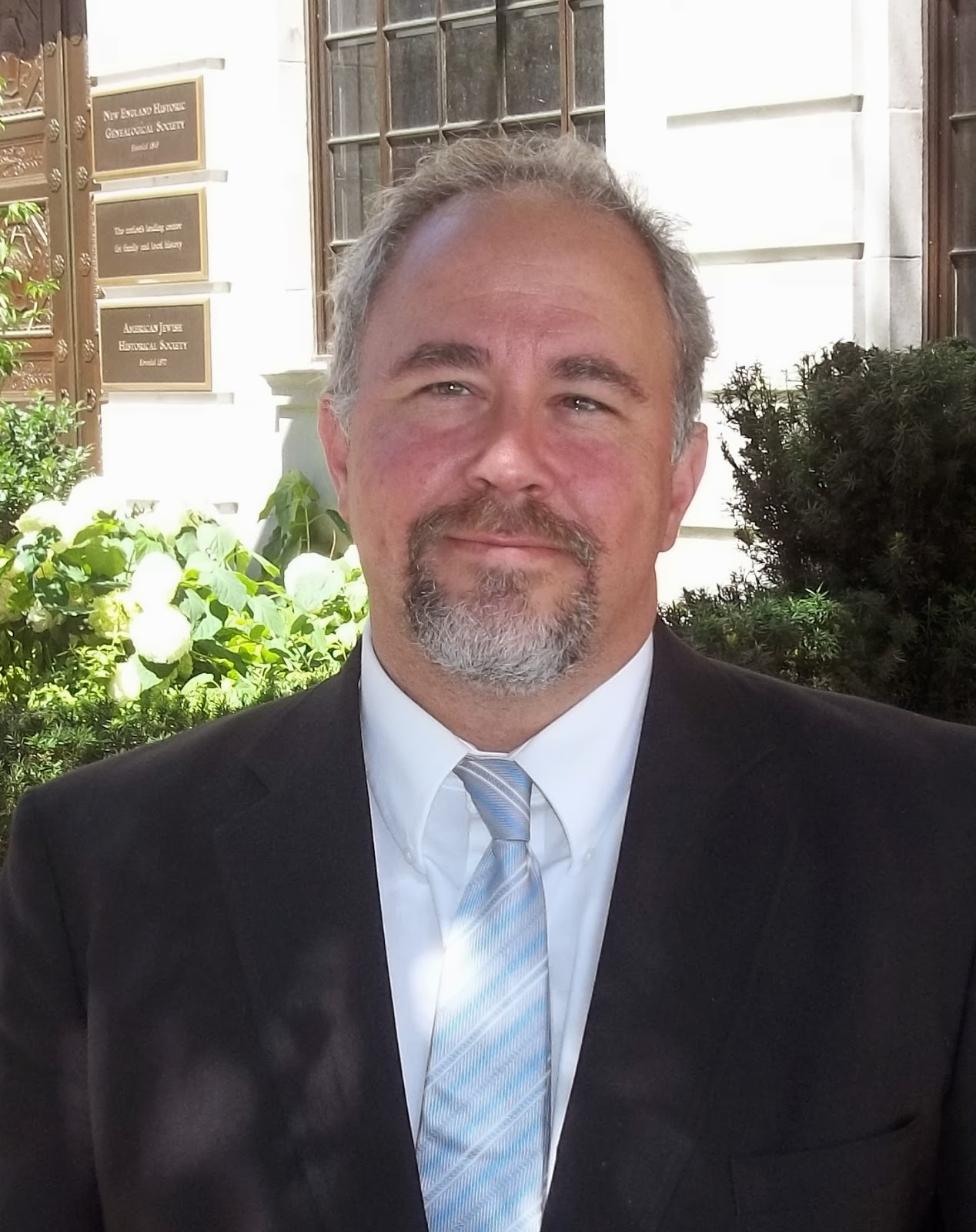
It’s been a little while since I published a How They Do It interview and I’m delighted to present this one, from David Allen Lambert, Chief Genealogist for the New England Historic Genealogical Society in Boston and co-host of the Extreme Genes podcast. David is a prominent speaker at genealogy conferences and I was thrilled that he agreed to participate when I approached him at the NGS conference last year!

How They Do It: David Allen Lambert

How long have you been doing genealogy?

I started being interested in genealogy as a child at the age of seven during the Bicentennial in 1976.  Seeing Roots on Television also ignited this passion which I have enjoyed for over 40 years now.

What’s your favorite thing about being a genealogist?

My favorite thing in genealogy is having had the opportunity for the past 27 years to work at the New England Historic Genealogical Society in Boston and assist others with their research.  The ability to pass along a tip, or have a full day consult and break down a genealogical brick wall with a fellow genealogist is quite rewarding.

What’s your biggest challenge when it comes to organizing your genealogy?

I have been currently undertaking during COVID-19 to organize my genealogical records digitally.  Creating digital folders for each ancestor and scanning documents.  As it is for most people, the challenge is finding the time to commit to your own research.  So I would say my biggest challenge is “free time”.

What is your favorite technology tool for genealogy?

I enjoy all the tools for genetic genealogy.  However I must say that I have enjoyed Gedmatch and DNA Painter the most in the last couple years for research into DNA mysteries.

If you were starting out new as a genealogist what would you do differently?

I would concentrate on getting all the stories from your older relatives before they are gone.  By the time I was 30 my parents had both died, and also my grandparents.  Stories are so important because they bring our ancestors back to life.  A life story can be compared to like the dash on a gravestone, the names and dates are important – but the dash gives us the stories of their lifetime.

Do you keep a research log? If so, what format?

I use notebooks for each research trip to the Family History Library in Salt Lake City and the National Archives in Washington, D.C.   I look back through these notebooks and use forms to list my to do list so I do not duplicate my research efforts twice.

How do you keep track of clues or ideas for further research?

I often use a genealogical program or an online tree to add notes that I can go back and reference.  I also print off these notes and add them to a binder.

How do you go about sharing your personal research with cousins or other interested parties?

I believe in public trees online.  This is how people will find you, and you then have the ability to connect with lost family members.  I also create “homestead” groups on Facebook to share the photos and stories I have with cousins who are not on commercial genealogical websites.

What’s the most important thing you do to prepare for a research trip?

I keep a genealogical notebook that I have for research trips handy and updated.  I bring a laptop computer, a portable hard drive, and a few portable thumb drives.  I make sure my camera has plenty of space, or my cloud-based storage will allow for up to 1,000 images.

What’s your biggest piece of advice to genealogists in terms of organizing their research?

Find a system that works for you.  But also create a system that your family members will understand after you’re gone.  There are many publications on organizing your research to guide you.  I find having folders on each family surname I have has worked best for me over the past forty-plus years.

Do you have a dedicated space in your home for doing genealogy research? What’s it like?

I split my time between my downstairs office computer, and an old bedroom now converted into my genealogical archives in my home.

Do you have anything to add?

Your genealogy is the story of your ancestors, but it is also important to concentrate on your recent family members.  Have you ever written down how your parents met?  What were all the place you lived, worked or went to school?  Have you identified all the photos you have ever taken?  When you find it frustrating that you cannot identify photos, or not locate stories on your ancestors – remember someday you will be an ancestor too.  Take on the responsibility of recording your story, and that of your parents and grandparents.  We are the story tellers for the generations not yet born.  Let’s teach them about our generation, and leave them a rich genealogical heritage to be proud of starting from you and going back in time.

Thank you, David! The message about taking responsibility of capturing stories and identifying photos for our descendants is so important! You can learn more about David and read his blog posts on the American Ancestors blog, Vita Brevis. I also enjoy following him on Twitter at @DLGenealogist.

Filed Under: Excitement, Genealogy tips, Organizing Tagged With: David Allen Lambert, How They Do It, organizing aids

  • « Go to Previous Page
  • Page 1
  • Page 2
  • Page 3
  • Page 4
  • Interim pages omitted …
  • Page 8
  • Go to Next Page »

about me

I'm Janine Adams, a professional organizer and a genealogy enthusiast. I love doing family history research, but I find it's very easy for me to get overwhelmed and not know where to turn next. So I'm working hard to stay organized and feel in control as I grow my family tree.

In this blog, I share my discoveries and explorations, along with my organizing challenges (and solutions). I hope by sharing what I learn along the way I'll be able to help you stay focused and have fun while you do your research, too.

tags

30 x 30 Adams amy johnson crow anniversary Brown cemetery census Civil War conferences connections dna electronic files Evernote excitement Family Curator family photos genealogy tools getting started goals How They Do It Igleheart Jeffries keepsakes learning opportunities maps newspapers NGS organizing aids overwhelm paper files planning quick tips rasco record keeping research research log research trip resources RootsTech social history source documentation Stacy Julian technology time management vital records

join the facebook community!

join the facebook community!

My organizing business

Learn more about my organizing business, Peace of Mind Organizing®.

Subscribe by RSS

  • RSS - Posts
  • RSS - Comments

© 2026 Janine Adams


Loading Comments...