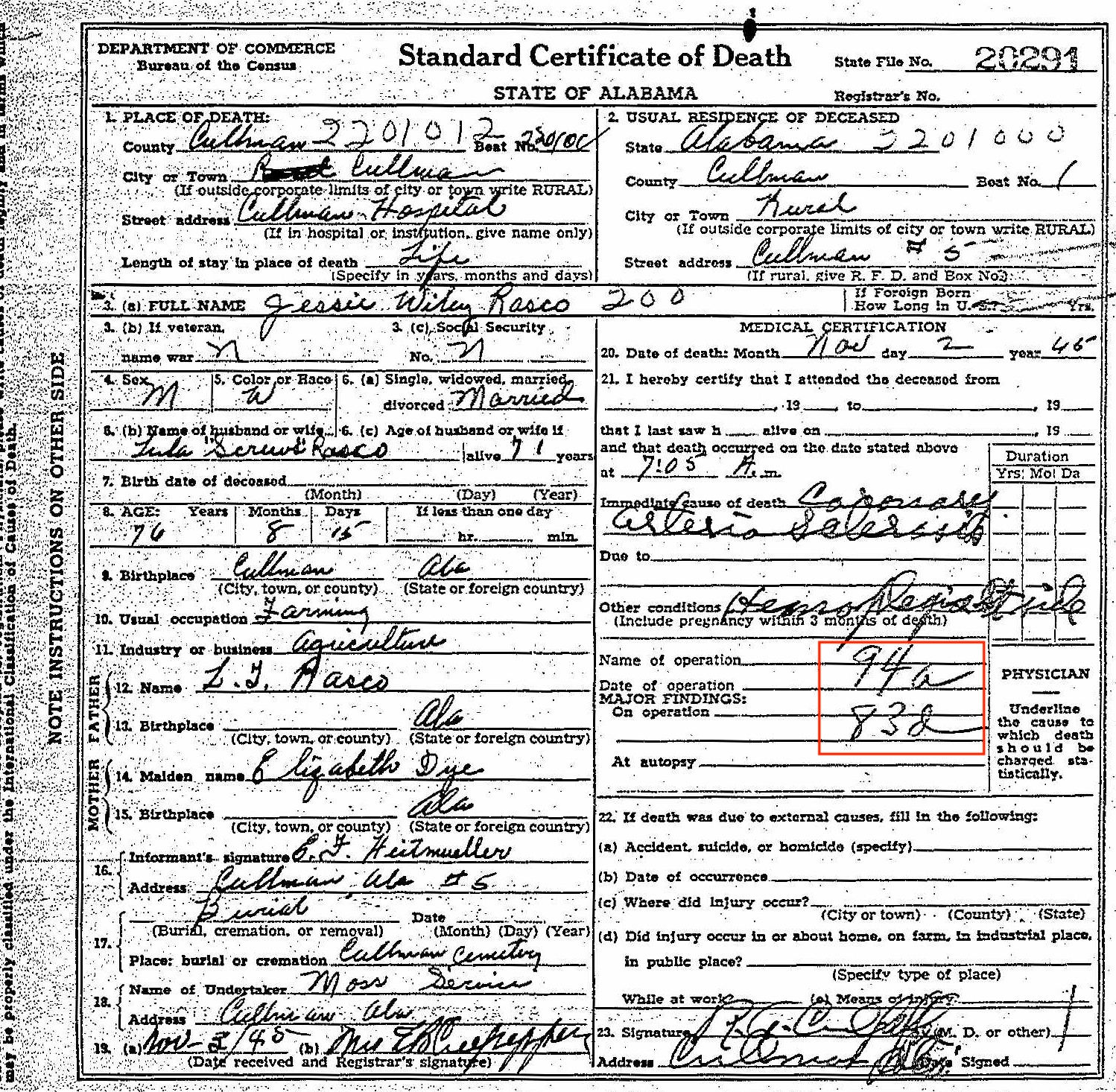
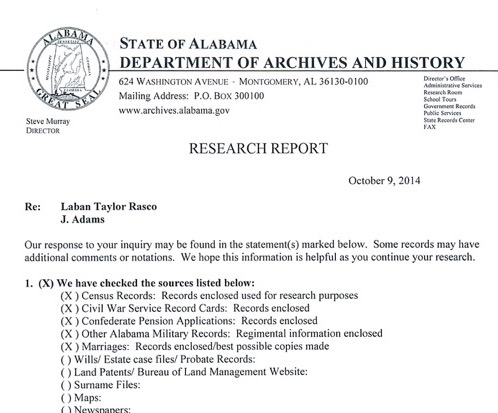
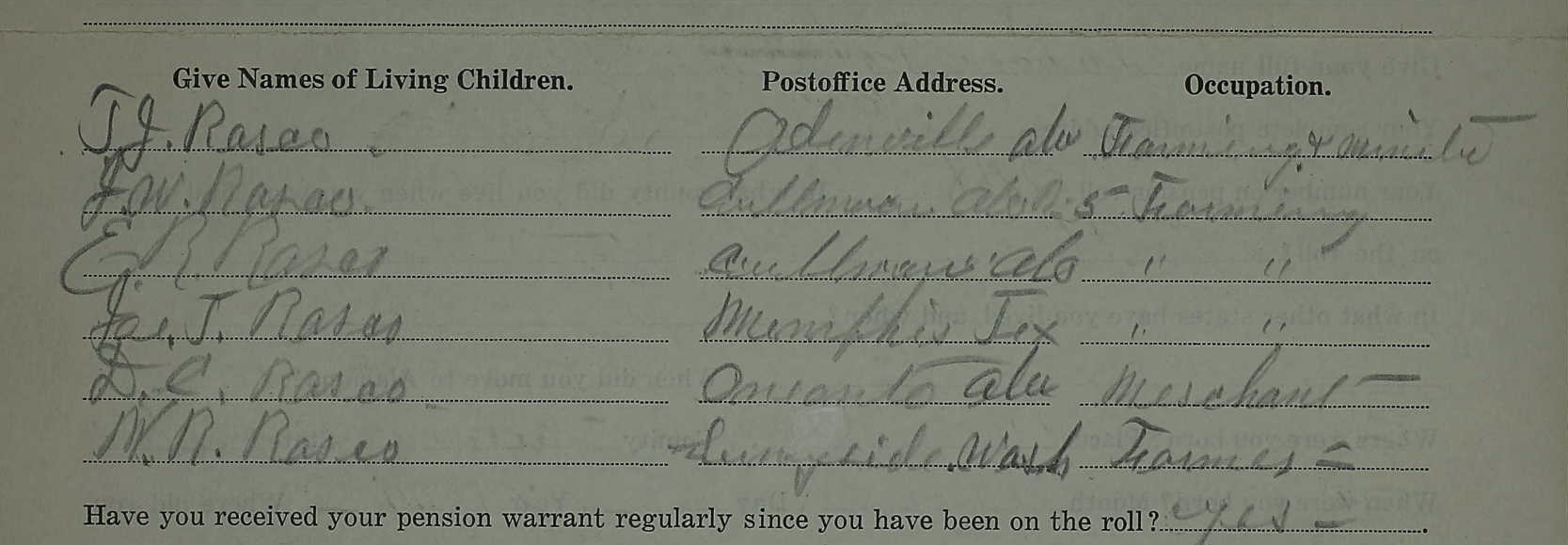
 As I mentioned recently, last month I shipped seven boxes of photos and documents that had belonged to my father and aunt, both of whom have moved into care facilities. Actually, one of the boxes contained just a few large items, so it’s really six small-size moving boxes full of small items. They arrived last week and I vowed to not let them linger.
But looking at the unopened boxes, I felt overwhelmed about dealing with all the stuff. I told myself that I would go through a box a day for a week and I’m happy to say that I have been able to do that. I have one box left, which I plan to go through today.
My plan was to take everything out of the large boxes and sort the items so that they feel approachable.
So far I’ve been able to follow the plan! I used Stacy Julian’s How to BEGIN with the BOX approach, which I had used when I was dealing with a box of stuff I brought home from Walla Walla in 2020. That gave me a great framework for storing the sorted items until I can start going through them. Using Step One of Stacy’s methodology (adapted a little for my current needs), I divided the contents of the boxes into these categories:
- Documents
- Narratives and correspondence
- Photos
- Framed photos
- Albums
I put the albums and framed photos in a bin to go through later. (But I did enjoy looking at them while I was emptying the boxes.) Once I get through the last box, I’ll turn my attention to the documents, as well as narratives and correspondence. I’ll employ Stacy’s Step Two, in which I’ll select 10 items at a time–the ones that interest me most–and scan them, then process them as I would anything I found online. After the first ten are finished, I’ll go back to the documents and select ten more and so on.
The photos will be a little trickier for me, but my plan is to scan them, share them with relatives and keep the originals stored in an archival box or boxes. I’ll do the same, in turn, with the framed photos and albums.
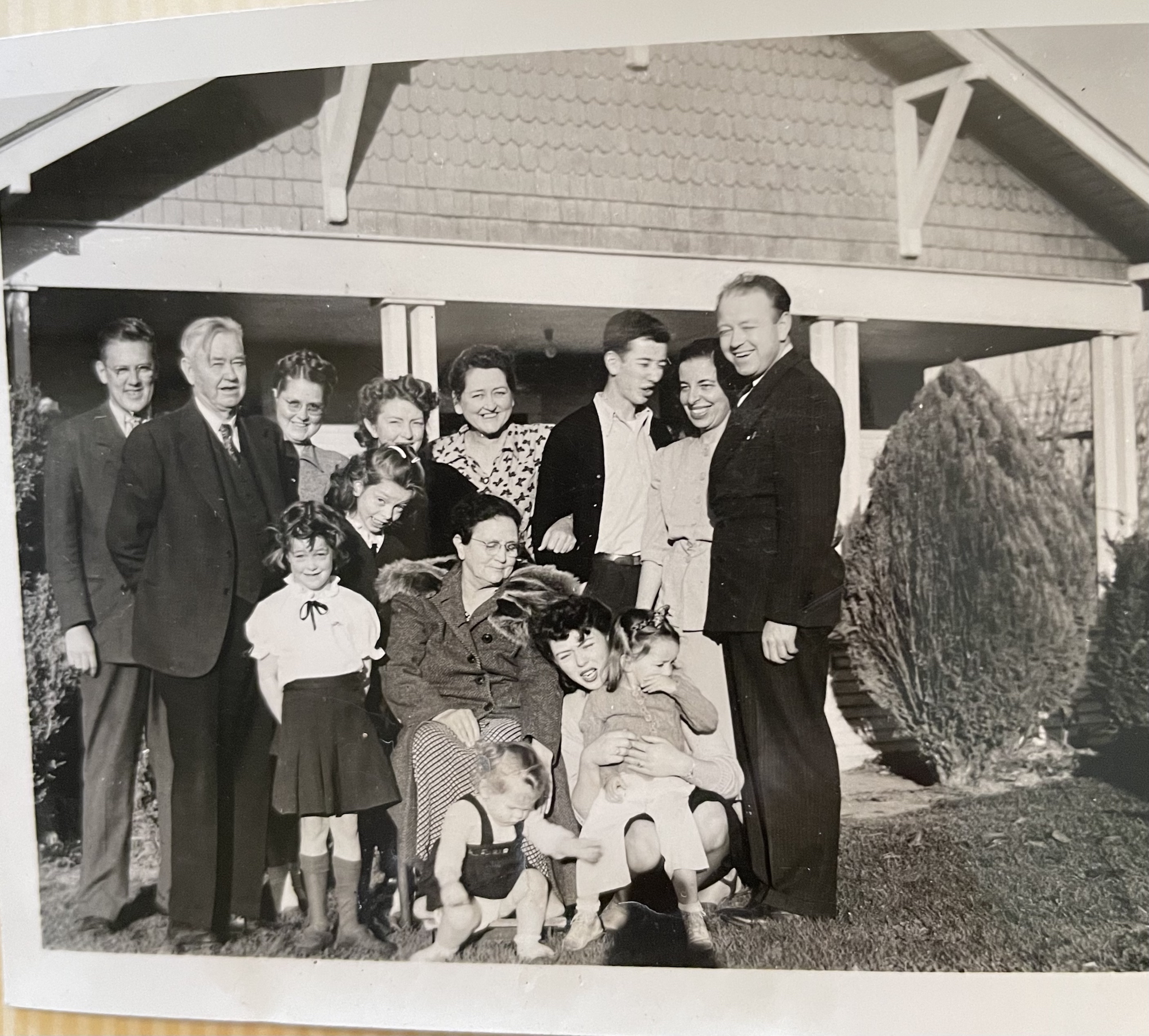
Incidentally, the unruly bunch in the photo at the top of this post is my father and aunt, with their parents, grandparents aunts and uncles. I’m not sure who all the kids are (yet). I had never seen that photo before this week and now, thanks to this project, I’m able to recognize my great grandparents, William Reese Rasco (1878-1957) and Luella Watts Rasco (187-1953), in photos. That makes me really happy.
Having a methodology to deal with the contents of these boxes is giving me huge peace of mind. (Thank you, Stacy Julian!) Having places to put the sorted items after I go through each big box has been hugely helpful in keeping me from feeling overwhelmed. I’m excited to go through the final box so I can started processing documents. I found a number of death certificates, birth certificates, diplomas, passports and newspaper articles that I know I’ll enjoy going through.
This has been a great focus for this month’s 30 x 30 challenge!