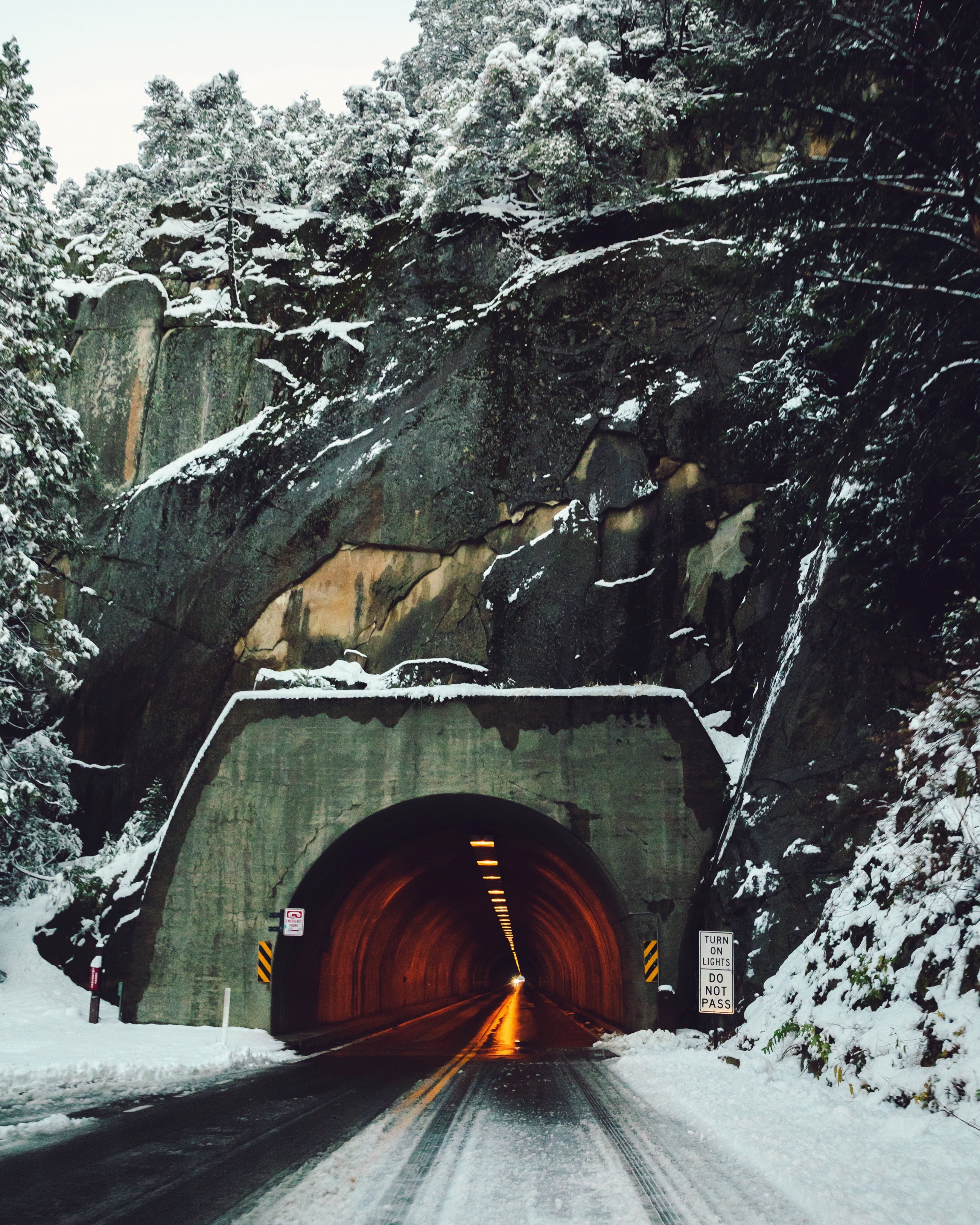
 I’ve been thinking quite a bit this fall about staying focused, since I spoke on that topic at the St. Louis Genealogy Conference. Focus is such an important element in making progress in my research. I’m easily overwhelmed by all the possibilities of things to research and I strive to maintain my focus so I can avoid both overwhelm and distractions.
But there’s such a thing as being too focused, I think. Recently I’ve been revisiting early sources in my tree that I found a half decade or more ago. I’m so glad I’m doing it because I’m finding all sorts of things I missed the first time around. For example, on more than one occasion, I’ve re-examined a census document I’d downloaded for one ancestor family to find that another ancestor family–unrelated to the first one–was also on the page.
That reminded me how important it is to examine the whole census page when you find one. And it’s a great idea to expand your scan to a page or two before or after. Our ancestors tended to live near one another and families intermarried. You might end up finding a relative who hadn’t been indexed correctly. Or you might just learn more about your family.
Another even more obvious example of the pitfalls of tunnel vision is the tendency to focus on direct-line relatives. I learned the hard way that it’s important to collect information on all relatives who appear on a census, not just those from whom you descend. I remember back when I was starting out that the idea of recording information on all the collateral relatives felt tedious and overwhelming. That may be true. But these siblings of your ancestors might play key roles in solving puzzles down the road or in helping prove a document applies to your relative’s family and not another family. Trust me, if you expand your exploration (and documentation) to include all your collateral relatives, you’ll be glad you did later.
I recently revisited a marriage document from 1905. The marriage book contained the record for my great grandparents on the right-hand page of a two-page spread. What I simply hadn’t noticed before was that the on left-hand page of that spread was the marriage license for my great grandmother’s sister! Way back then I might have not taken the trouble to record the information, even if I’d noticed it. But now, I’m excited to add this family to my tree and it’s been a springboard for further exploration.
Those are just a few small examples of the benefits of avoiding tunnel vision even while you stay focused. If you can think of others, please share in the comments!

So many researchers miss out on incredible research results by ignoring collateral lines. I would have many brick walls still standing if not for collateral research. In fact, I gave a presentation at the Minnesota Genealogical Society’s Fall Conference on just this topic!
That’s a great topic for a talk, Nicholas! I’m sure it was well received.
I was guilty of tunnel vision on death certificates by not noting the name of the informant (usually a relative) or most importantly the name of the cemetery. Looking up the cemetery on Find A Grave can unearth (pun intended) the names of other relatives…direct or collateral.
Fortunately when I started out in genealogy almost 25 years ago, I was trying to find a connection between three family names for a family reunion. That involved looking at tons of collateral lines to trace the connection from 1870 to 1994. All that research was done the hard way. Armed with a spiral notebook, a pencil and rolls of quarters to make copies I searched records at the National Archives in Atlanta with some research at a Family History Center.
Fast forward to today, all those years of research on collateral lines turned out to be a big bonus with my DNA matches. If they know their direct line of ancestry back a few generations, I can usually make the genealogical connection on paper because I have the names of my great great grandparents siblings and all of each of their descendants that I could find and record.
Danni, I so admire the diligence of pre-internet genealogy researchers. I’m so glad your hard work has paid off!
The flip side of being grateful if you researched collateral lines all along is noticing, and thinking, when you do hit a brick wall, hmm….I wonder what I could find out by researching one of these siblings? Revisiting old documents is something I need to do too!
Good point, Hazel! I have to say that revisiting old documents has been surprisingly enjoyable. Have fun with it if you do it!
When a relative disappears for a census or two, I have sometimes found them (mistranscribed) a few pages away living with another relative, but since I was focused on X family instead of X’s sister’s family, I didn’t discover the missing relative until I switched lines. Or when you are limited, like Ancestry does in earlier censuses to only attaching it to the members of the family one at a time instead of all at once like the later censuses or Rootsfinder’s web clipper does, sometimes I forget to go back and attach it to everyone so people are “missing”. So reviewing each record can help too, not just going backwards and forwards a few pages.
Yes!That’s what I love about my current record review. There are so many discoveries to be made among the records I’ve already found. Thanks for commenting, Clorinda.
I’m guilty of this pretty often, because I research with a one track mind. Your article opened me up to understanding where I can improve. Thank you so much.
So glad you found it helpful, Shawnee!