Where was I?

I can use this form to plan my next family history research session

For me, the biggest impediment to starting a research session is not knowing exactly what to work on. Today, I was reading an article on what to do with the last few minutes of the workday and was struck by a suggestion from Julie Morgenstern, a hugely successful professional organizer. She suggests spending a couple of minutes to identify the most important thing you’ll do in the first hour of work the next day.

I do something like this for my work life (I plan the top four priorities for tomorrow), but it occurred to me this could be really useful for my family history research. If, at the end of each research session, I identified a few things to work on in the next session, the question of what to work on would disappear. I’ve flirted with this before, but what struck me today was that I could create a form (I love forms!) that I would fill out at the end of each session and keep it handy for the beginning of the next session.

I have a similar form for my work day (here’s a link to it on Pinterest), so I adapted it for my family history research. It’s pictured on this post. At the top I have the top four research items to work on. At the bottom, I have a checklist of things to make sure I do as I close up the session.

I think this form will go a long way toward getting me past that barrier to getting started. And making it easier to get started will help me carve out little bits of time to do my research.


The emotional roller coaster of family history research

Last week I was so excited because I had (finally) followed up on a request I’d made for an ancestor’s death certificate. I anxiously awaited the arrival of the document, thinking about all the info I would glean from it.

It arrived yesterday and, indeed, there was plenty of information on it. Unfortunately, the information pointed to the fact that this George Washington Adams wasn’t my George Washington Adams, my grandfather’s grandfather. His parents’ names aren’t familiar to me so I  doubt that I’m even related to this guy.

What a disappointment. But I’ll keep looking to try to locate more information on my great great grandfather. I think the large amount of time that elapsed since I first found the index that made me think I could get my hands on his death certificate makes the disappointment event greater.

I’ll redouble my efforts (try re-searching databases I’ve searched before, perhaps) and report here if I find what I’m looking for.

Reminder to myself: Follow up!

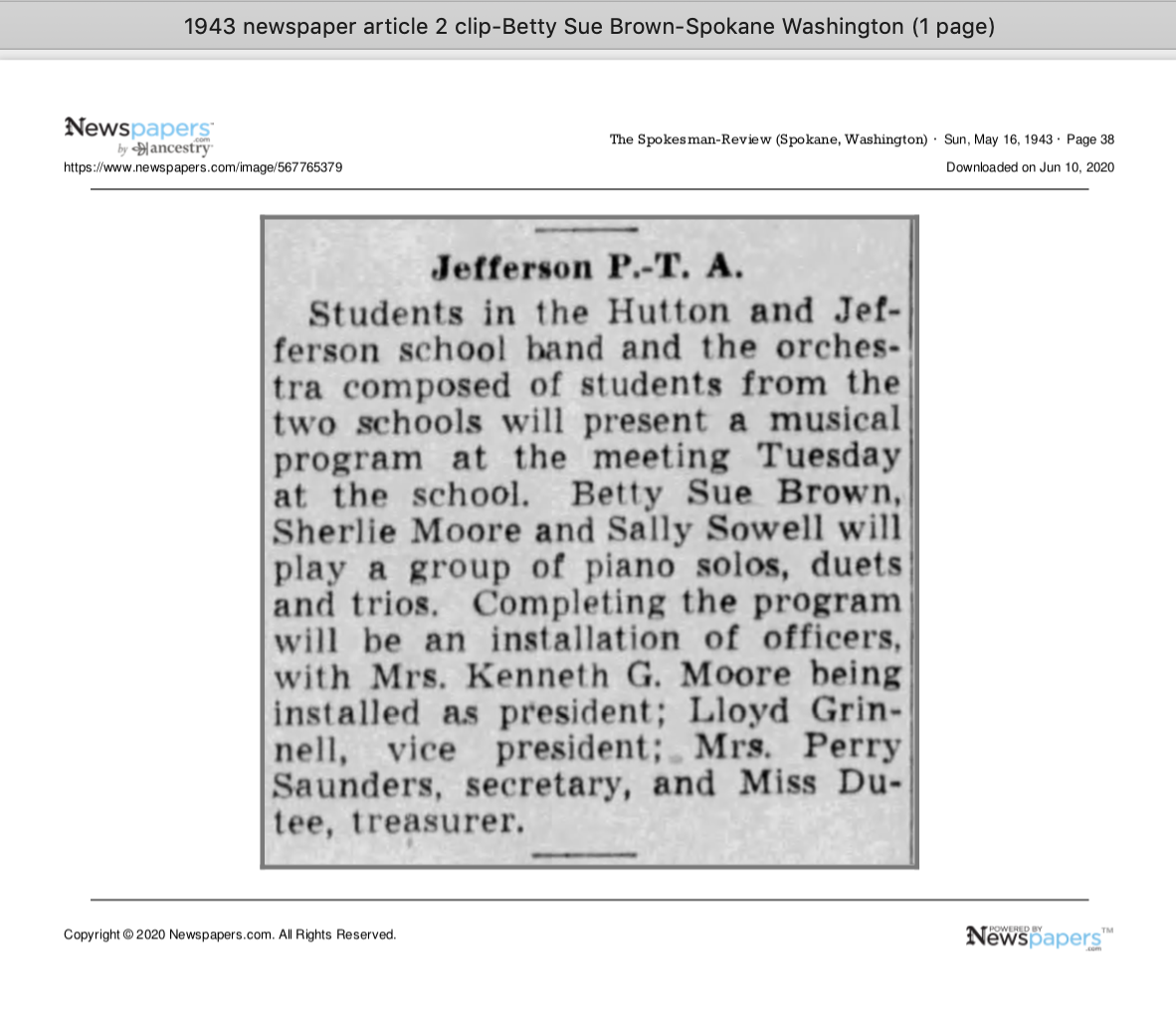
geowadamssoldiershomecroppedOn January 3, I wrote to the Vermilion, Illinois, County Clerk’s office, requesting a death certificate for George Washington Adams (my paternal grandfather’s grandfather), who I believe died at the National Home for Disabled Volunteers Soldier in Danville, Illinois. I had located a George Washington Adams of the right age at the home on the 1930 census and found a listing for a George Washington Adams in the Illinois Death Certificates Database . (“George Washington Adams” is an amazingly common name, by the way.)

Anyway, I wrote away for the death certificate, noted that the $12 check had been cashed, and never received acknowledgment. I figured it meant that no death certificate was available. Today,  four months later, I finally got around to calling the County Clerk’s office and inquiring. It turns out those efficient people had mailed the death certificate to me on January 8. I just never received it.

So I’m sending another check and they’re sending me another death certificate. I’m considerably cheered by the prospect that I’ll be able (I hope) to verify that this is indeed my George Washington Adams and that I’ll be able to glean some more information about him from it. Then I can go to Fold3 and start gathering information on his Civil War service.

The moral of the story: Next time I write for some information that I don’t receive, I’ll pick up the phone and inquire, rather than assuming the information wasn’t available!

My genealogy time-management plan

Ticking clockWhen it comes to my family history research, time management is a big challenge for me. I want to hunker in and start researching my family. But I also want to learn more techniques for doing the research. And I want to stay on top of the resources that are available out there. And I want to read other genealogy blogs, because they’re so interesting.

But there are only so many hours in a day.

Getting overwhelmed has always been a challenge for me in my research. I think it has to do with the abundance of possibilities this avocation offers. There’s so much to learn about my family and so many ways to go about learning it.

I do well with structure and I know that, for me, structure helps me deal with that overwhelmed feeling I get in the face of too many choices. (This is a theme in my life.)

So in thinking about how I might structure my genealogy research time to avoid overwhelm and actually get stuff done, this is what I’m thinking:

  • I’d like to allot a certain number of hours a week to doing family history research.
  • I’d like to divide those house among a variety of pursuits, assigning a percentage to each.

So how do I go about deciding how many hours and what percentages? It’s pretty much a crap shoot. I know from experience there’s no point in worrying about getting it right at the outset. I need to just pick a starting point and adjust as experience dictates. So here’s the goal I’m going to set for myself, for the remainder of March and the month of April (keeping in mind I’m away for a week in April where no family history work will be done).

  • I’m going to strive to work 10 hours a week on family-history-research-related activities.

I’ll try to divide those ten hours this way:

  • 50 percent on actual research about my family (5 hours)
  • 20 percent going through downloaded learning resources (2 hours)
  • 20 percent reading genealogy blogs (2 hours)
  • 10 percent organizing my family history research (1 hour)

My research is pretty well organized and I don’t have a big backlog, so an hour a week should do it. I could see needing to spend more than an hour a week organizing.

This is just a starting point. I could be way off on my percentages. I think I’ll keep a time sheet of some sort so I can see how I’m actually using family history research time and how the percentages actually shake out.

I’ll report back how it works out and whether this structure has helped.

How about you? How do you balance the research with the learning and the organizing?

Photo by R.L. Hyde via Flickr